The Revolution on Three Wheels in the ‘90s
In the early 1990s, while much of the world was preoccupied with the coming millennium and the rapid rise of technology, a very different kind of revolution was quietly gathering momentum—a revolution centered around the humblest of childhood vehicles: the tricycle. What began as a playful competition in a small Italian village would soon grow into a global phenomenon that captivated people from all walks of life. This was the Tricycle Revolution, and it changed the world of racing forever.
The Birth of a Movement: Tricase, Italy
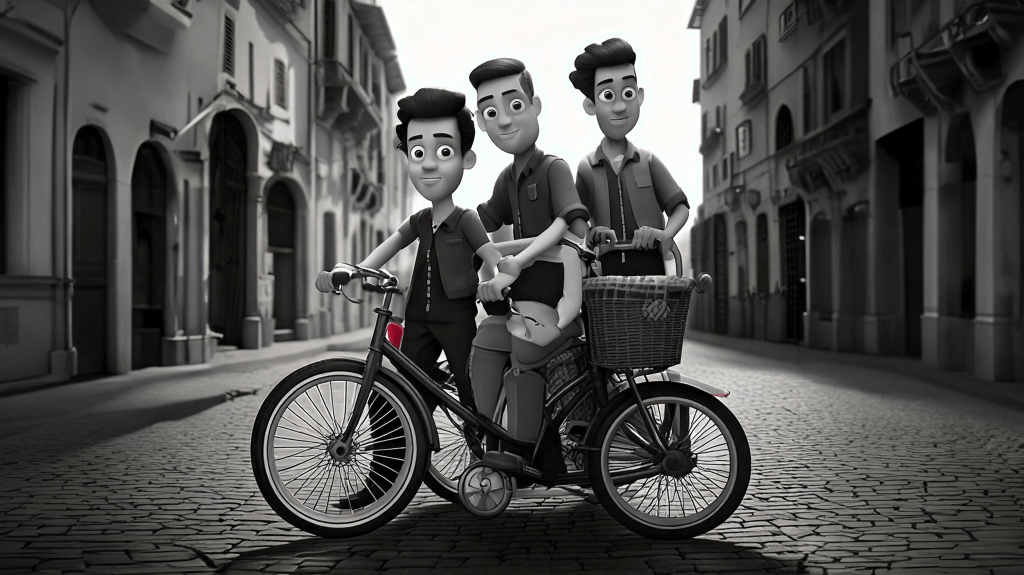
The origins of the Tricyclette Revolution can be traced to the quaint village of Tricase, located in southern Italy. In 1992, three lifelong friends—Giovanni di Marco, Matteo Pomozza, and Giuseppe Fratelli—found themselves reminiscing about their carefree childhood days. In a spur-of-the-moment decision, they retrieved their long-forgotten children’s tricycles from dusty attics and decided to race through the narrow streets of their village.
What started as a simple, lighthearted joke quickly spiraled into something much bigger. The sight of grown men racing on tricycles attracted attention from the locals, drawing a small but enthusiastic crowd. The laughter, excitement, and sense of nostalgia that followed the race created an undeniable energy. Soon, what had been a one-time event became a weekly tradition in Tricase, growing in size and popularity with each new race.
The magic of the Tricase tricycle races lay in their simplicity. Unlike more exclusive sports that required expensive equipment or extensive skill, tricycle racing was something anyone could participate in, regardless of age or background. It reminded people of the joy of youth and the thrill of competition, but with an adult twist.
A Global Phenomenon: The Tricyclette Races Spread
Within a matter of months, the infectious spirit of tricycle racing spread beyond Tricase, first to other Italian towns and then across Europe. By 1993, cities as far as Aalsmeer in the Netherlands and Queenstown in New Zealand were hosting their own tricycle races, each race drawing bigger crowds and more competitors. And it wasn’t long before tricycle racing found its way across the Atlantic to the United States, where the open roads of Indiana became the stage for some of the most daring and competitive tricycle events.
The beauty of the movement was that it transcended cultural and geographical boundaries. Tricyclette races became a global pastime that united people from all walks of life, offering an antidote to the complexities of modern existence. The races were fun, inclusive, and simple—a rare combination that resonated with everyone.
As the tricycle races evolved, the competitive spirit intensified. Riders started modifying their tricycles, experimenting with innovative designs, materials, and adjustments to improve performance. Custom-built trikes with aerodynamic frames and improved mechanics became common, raising the stakes for racers and thrilling spectators alike.
The Rise of the ITRA and the World Championship Series
By 1994, the need for an organizing body became clear, as tricyclette racing was no longer a series of informal local events but a global movement. That year, the most dedicated racers and event organizers formed the International Tricycle Racing Association (ITRA), a governing body similar to motorsport organizations like the FIA in Formula 1. The ITRA was responsible for setting the official rules of tricycle racing, establishing safety standards, and overseeing the growing number of races happening worldwide.
The ITRA also had a vision for the future of tricycle racing—one that would push the sport beyond its humble beginnings. In 1995, they launched the first official Tricyclette World Championship Series, a groundbreaking series of six international races held in key cities around the globe. Racers from different countries flocked to compete, and the championship series became an instant sensation, with fans tuning in from every corner of the world to watch the excitement unfold.
The championship series continued to grow in both prestige and size. What began with six races in 1995 has now expanded to a twelve-race series, with events held in locations as diverse as Aalsmeer, Queenstown, Tokyo, and Indiana. These races are no longer just about nostalgia—they are high-speed, fiercely competitive spectacles that draw massive crowds and international media attention.

Sustainability and Innovation: The Evolution of Tricycles
As the sport evolved, so too did the tricycles themselves. With the backing of the ITRA, racers began to experiment with more advanced materials and technology. The ITRA placed a strong emphasis on sustainability, ensuring that tricycle production and racing practices were eco-friendly. This commitment to environmental responsibility was critical to the continued success of the sport in a world increasingly focused on sustainability.
The ITRA also encouraged the motorization of tricycles, but always with an eye toward sustainability. These motors were designed to be powered by renewable energy sources—solar, wind, or even human-generated kinetic energy, keeping the environmental impact minimal. This innovation allowed for higher speeds and more competitive racing while maintaining the sport’s core values of sustainability and accessibility.
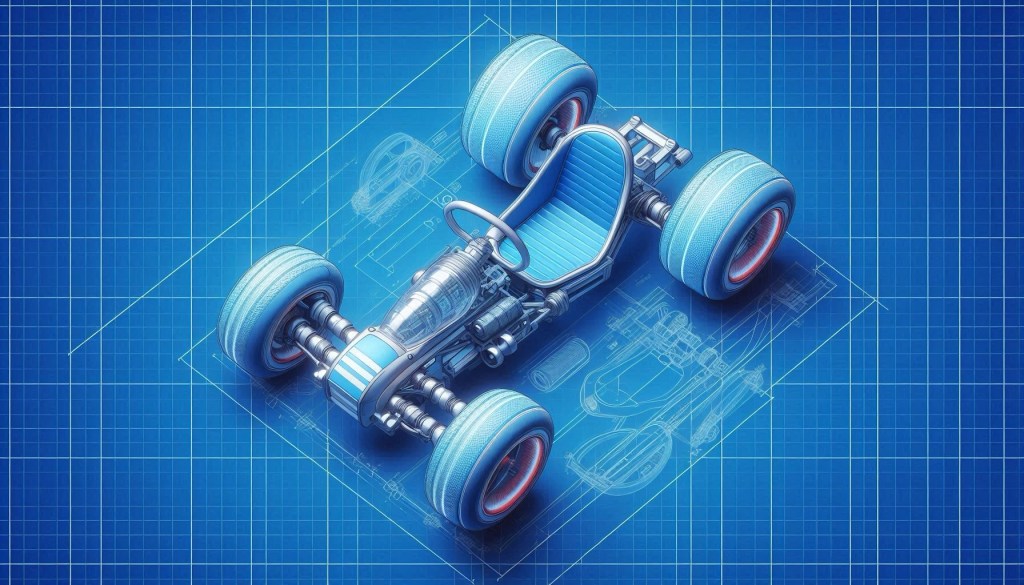
Beyond motorization, the pursuit of better aerodynamics became a major focus for racers and designers alike. The tricycles that now race in the World Championship are sleek, futuristic machines designed to cut through the air with minimal resistance. Riders work with engineers to optimize every curve, every angle, in order to gain the slightest edge in speed. These advancements have pushed the sport to new heights, with racers achieving speeds once thought impossible on three wheels. Yet, despite the increasing technological sophistication of the sport, the core spirit of tricyclette racing remains the same—it’s still a celebration of joy, creativity, and community.
The Legacy of the Tricycle Revolution
The Tricyclette Revolution has left an indelible mark on the world. What started as a playful race in a small Italian village has become a global phenomenon that continues to grow in popularity and scope. The sport has evolved from its grassroots origins into a highly competitive and technologically advanced pursuit, but its emphasis on sustainability, inclusivity, and joy has never wavered.
The tricyclette races have created a lasting sense of community, drawing together people from all walks of life and all corners of the globe. They’ve shown that innovation and sustainability can go hand in hand with fun and competition, and they’ve given the world a new kind of racing that is as forward-thinking as it is nostalgic.
As the sport continues to grow and adapt, the Tricyclette World Championship is now one of the most anticipated sporting events of the year, drawing fans and competitors alike who come to witness the power of three wheels, sustainable speed, and human ingenuity. And as long as there are people willing to push the boundaries of what a tricycle can do, the revolution on three wheels will keep rolling forward, faster and greener than ever before.
 tricyclette
Leave a comment